Advances in Recycling Strategies for Multilayer Food Packaging – Current Approaches to Address Non-Recyclable Packaging Systems
Volker Jansen
Hochschule der Medien
Published 2026
DownloadAbstract
Multilayer plastic packaging accounts for approximately 13% of total plastic packaging and about 28% of flexible plastic packaging worldwide. It combines distinct polymer layers to achieve superior barrier performance, mechanical stability, and extended shelf life. However, the deliberate material heterogeneity that enables functional advantages simultaneously creates substantial end-of-life challenges. Multilayer structures are largely incompatible with conventional mechanical recycling systems and are therefore frequently directed to incineration or downcycling pathways, undermining circular economy objectives.
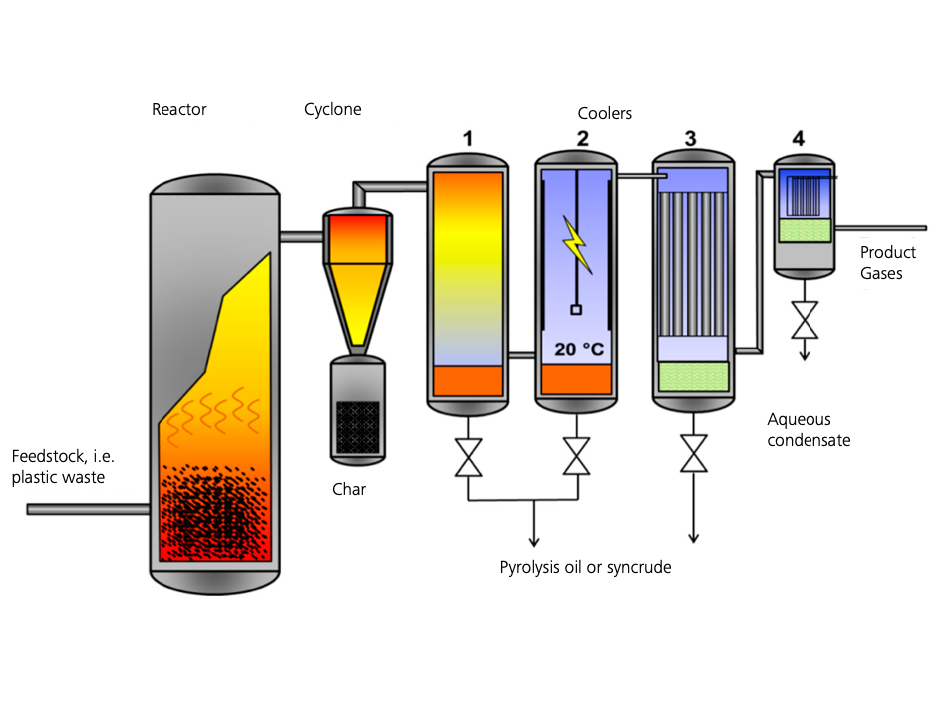
This study analyses current technological approaches to recycling multilayer food packaging and evaluates their environmental, technical, and economic limitations. A systematic literature review is combined with expert-informed scenario analysis to examine secondary (mechanical), thermochemical (pyrolysis-based), and solvent-based chemical recycling strategies. The analysis highlights structural constraints of mechanical recycling, including polymer immiscibility, contamination, and quality degradation. Thermochemical conversion enables feedstock recovery but is limited by high energy demand, contaminant variability, and the need for multi-stage upgrading processes. Solvent-based separation technologies such as the STRAP process demonstrate potential for high-purity polymer recovery; however, solvent regeneration, impurity accumulation, and scale-up complexity significantly affect environmental performance.
The findings reveal a structural gap between ambitious regulatory targets, particularly under the EU Packaging and Packaging Waste Regulation, and the technological maturity of existing recycling infrastructures. No single pathway currently provides a comprehensive solution. Instead, a hybrid recycling landscape integrating mechanical, thermochemical, and solvent-based approaches appears most realistic in the near term.
The study concludes that achieving circularity for multilayer food packaging requires systemic alignment across material design, advanced separation technologies, purification strategies, economic incentives, and regulatory frameworks.